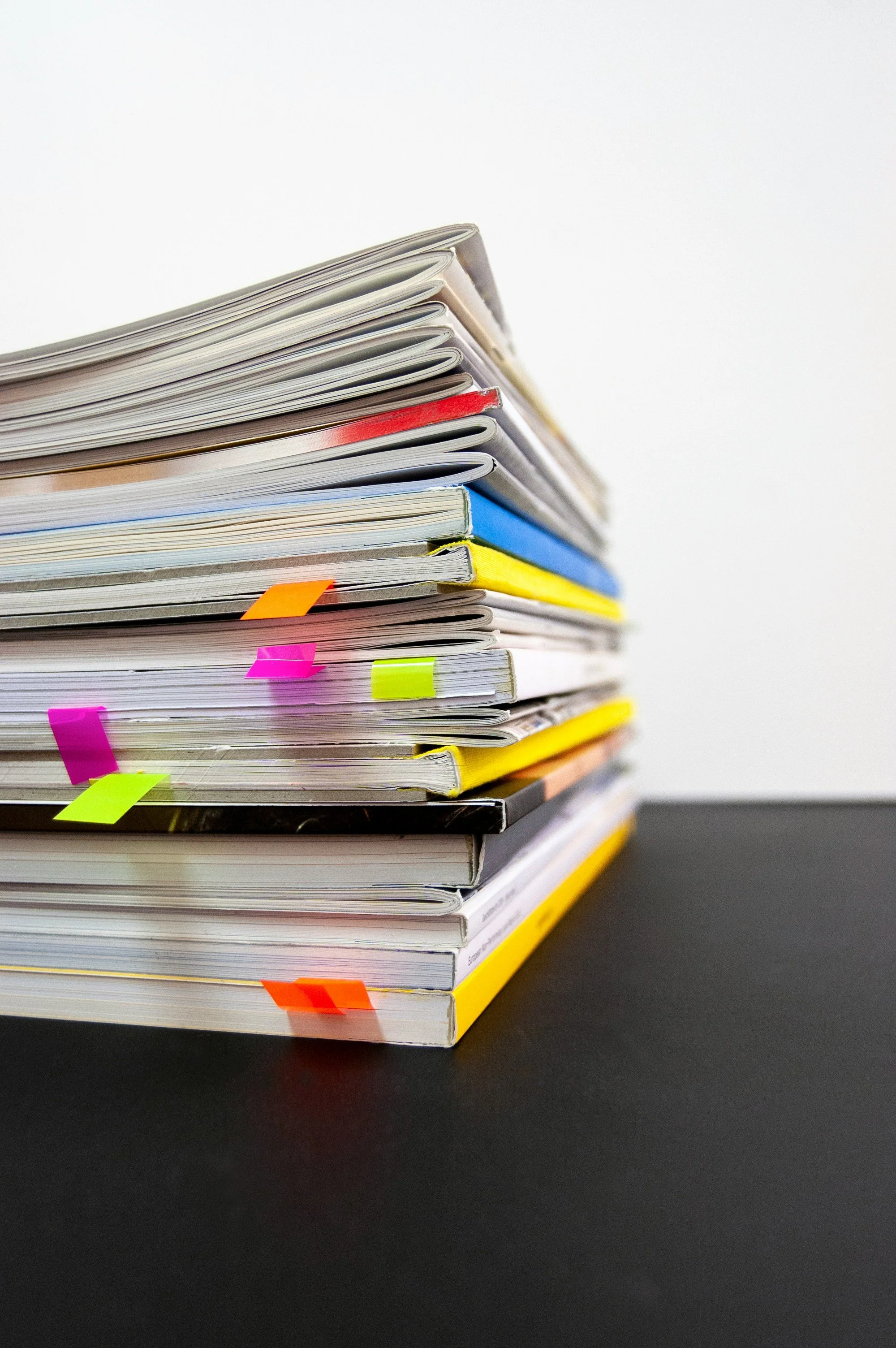
Credit: Bernd Klutsch
AI Is Going to Transform Impact Reporting—Here's What That Means
We spend months crafting sustainability reports. Gathering data, checking disclosures, perfecting the design. And then these beautiful PDFs sit on a webpage that few people read (except those who have to.)
Here's what I think is about to change: The annual sustainability report as we know it is becoming obsolete.
From Final Product to Source Material
AI is going to fundamentally shift what impact reporting is for.
Instead of a report people read cover-to-cover, we're moving toward reports as source material. This means verified, approved documentation that AI tools can draw from to answer specific questions for even more specific audiences.
Your salesperson needs circular economy commitments? AI pulls the relevant section, translates it into seller-friendly language, done.
Your employee wants to understand social impact progress? AI delivers a personalized summary, not a wall of technical disclosures.
Your customer has a supply chain question? AI finds the answer and instantly delivers it in plain language.
The report becomes the single source of truth. AI becomes the translator.
But Start Simple
Before we get carried away: Not everything needs AI.
If someone wants to know your carbon emissions target, they can use Adobe to search the PDF. If they need to find your community investment total, Google will get them there.
Save AI for tackling the complex work: taking technical sustainability language and adapting it for different audiences. Synthesizing information across multiple sections. Translating compliance-speak into conversation.
Use the right tool for the job, not just the shiniest one.
The Tension We Can't Ignore
The uncomfortable truth: AI uses a lot of energy. As sustainability professionals, we can't champion AI for impact communication without acknowledging its environmental footprint.
But we can't ignore it either. It improves accessibility, making sustainability knowledge available to everyone, not just experts.
The answer isn't to avoid AI. It's to be intentional about when and how we use it. And to be transparent about how we are dealing with the negative impacts.
What This Means for How We Work
If impact reporting is shifting from "finished product" to "source material," we need to write differently.
That means: Clarity over compliance jargon. Searchable structure. Treating your report as a database, not just a narrative.
It also means accepting that most people won't read your report the way you wrote it. They'll interact with pieces of it, translated by AI, exactly when they need it.
And that's what we want. Accessible impact information beats a beautiful PDF that nobody opens.
The Future of Impact Reporting
What if your sustainability report wasn't something you published once a year and hoped people would download?
What if it was living documentation that powered every conversation about your company's impact, customized in real-time for whoever needed it?
That's where we're headed. The annual report isn't going away. But what we do with it is about to change completely.
Something you can start today: Look at your most recent report and ask: "If someone needed one specific piece of information from this, could they find it easily?" If the answer is no, you have a search problem before you have an AI problem.
Something else for later: Start thinking about your report as source material, not final product. What would need to change in how you write, structure, and maintain it if AI were going to translate it for different audiences?